


GREAT SAFETY CULTURE
Our commitment is to achieve zero injuries and prevent occupational ill-health. To achieve this, we need a great safety culture, where everyone shares in our commitment, chooses safe behaviours to create safe habits and demonstrates positive safety engagement.
Good safety engagement is underpinned by four principles: leadership, knowledge, responsibilities, and compliance.
LEADERSHIP
Leadership is an integral element of safety engagement. We expect all our colleagues to be motivated to set a positive example for others, comply with our standards and challenge unsafe behaviours through ‘Talk Safe’ discussions and positive intervention reporting.
In 2025, to strengthen safety leadership across our operations, we began the roll-out of new communication training for frontline supervisors, equipping them with the knowledge and skills to deliver brilliant safety briefings that engage the workforce, ensuring shared accountability and compliance.
We delivered safety engagement sessions to over 250 of our early career professionals, inspiring discussions around the effective control of high energy hazards and how we can innovate to make our operations safer.
KNOWLEDGE
Understanding our standards and procedures is the foundation of positive safety engagement and paves the way for compliance and leadership. We continue to invest in training that equips our workforce with the knowledge and skills needed to carry out our operations safely. This includes dedicated programmes delivered at our training hubs. In 2025, we invested £65,000 in our training hubs to enhance these facilities and support practical, hands‑on learning.
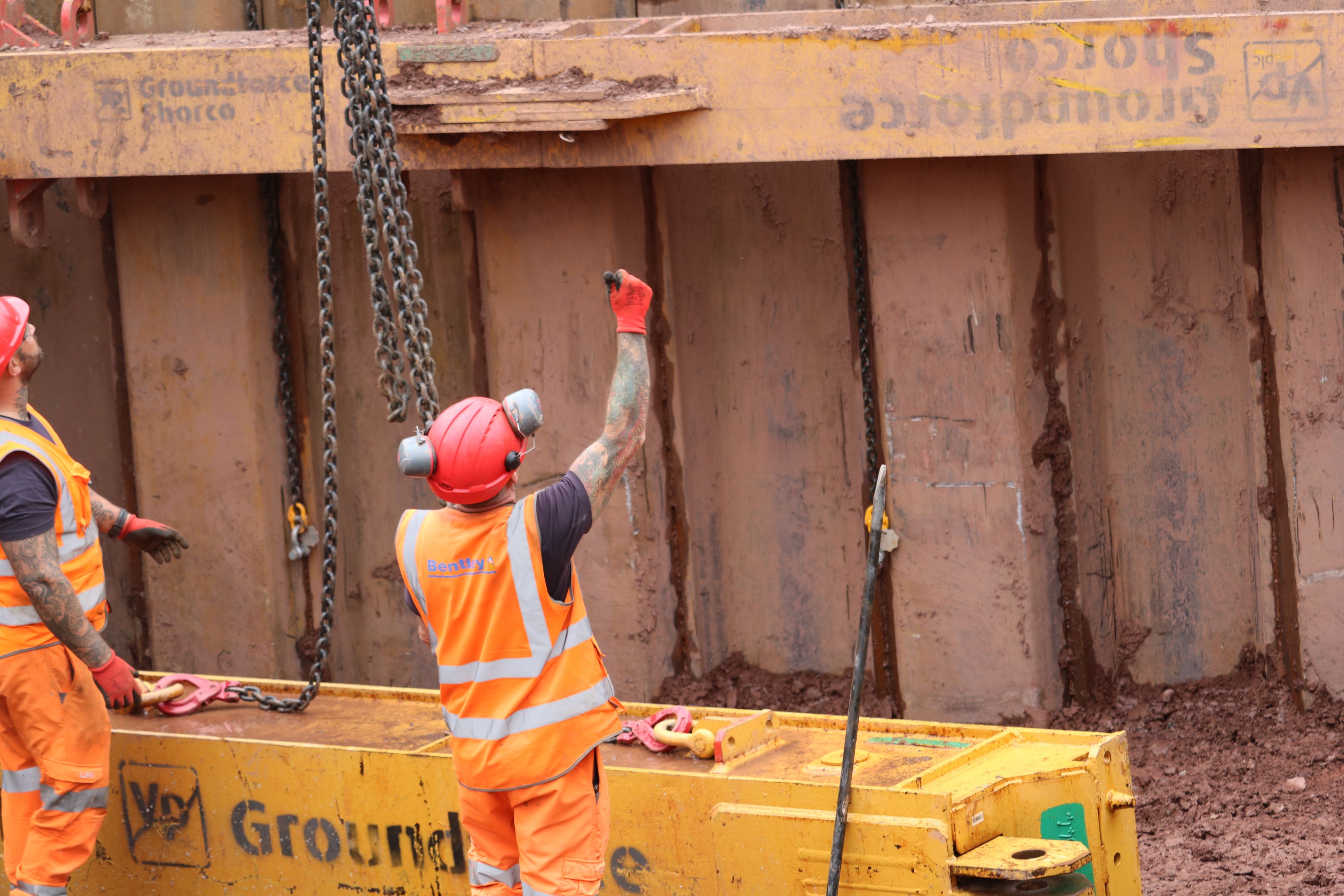
Throughout 2025, we delivered company-wide training focused on the risks and controls of high energy hazards to 2,800+ colleagues and over 80 suppliers and agency staff. Since then, we have seen a 13% increase in engagement through positive intervention reporting, with 5% of all reports related to identifying and controlling these hazards.
In 2025, we enhanced our onboarding approach for our site-based workforce. New starters now complete a week of skills training at our dedicated training facilities before heading to site, giving them a strong foundation in company knowledge to drive safety engagement.

RESPONSIBILITIES
Safety is everyone's responsibility. We revised our Personal Safety Commitment - applicable to all employees - which details company expectations around the four elements of safety engagement and conditions of safe behaviour, including reporting positive interventions. Our best learnings come from high potential serious near misses. In 2025, we completed 22 Level 1 incident investigations from high potential incidents which resulted in action to improve safety in our operations.
COMPLIANCE
We streamlined our Golden Rules and office safety rules to bring focus to our biggest risks, including high energy hazards, and in 2026, we will further rationalise our operational health, safety and environmental standards to make our rules and procedures easier to understand, aiding compliance.

2025 PERFORMANCE
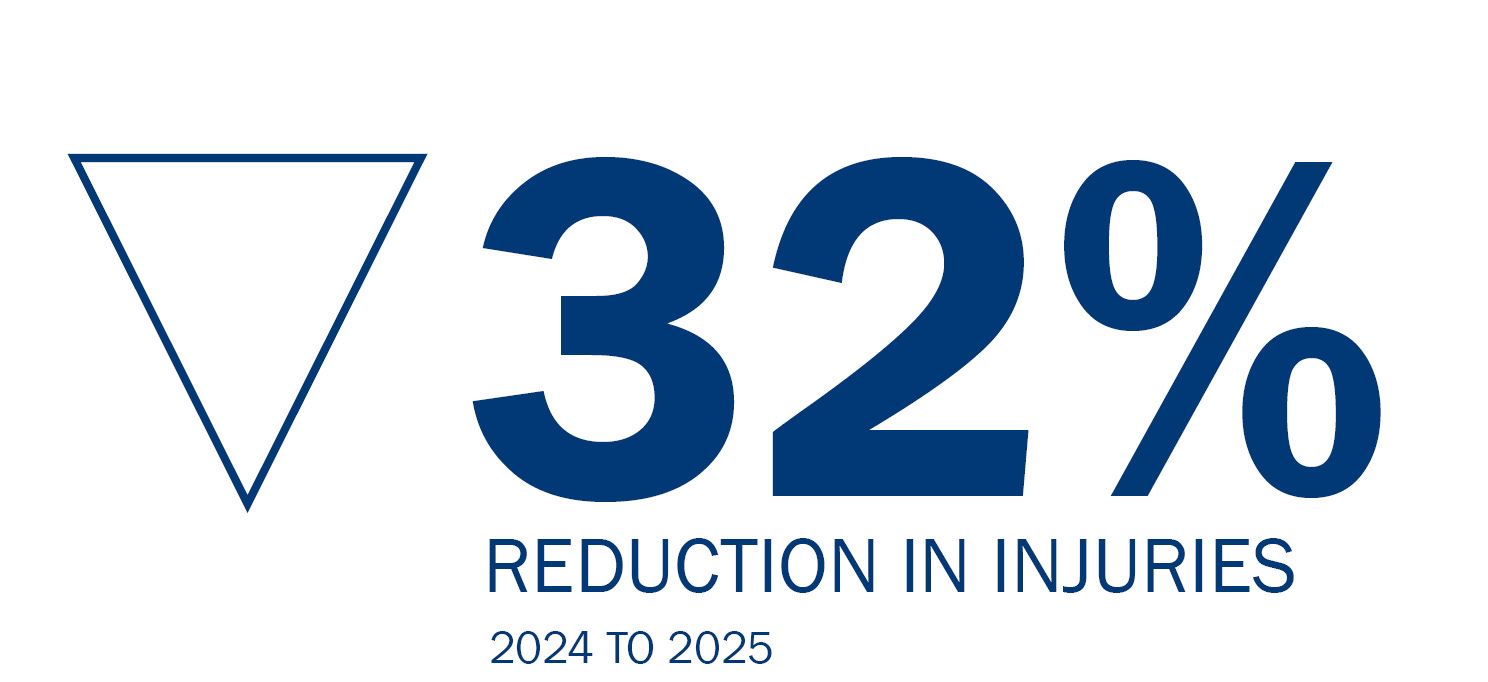
Health and safety: we worked over 7.4 million hours (up from 6.8 million in 2024) and saw a 32% reduction in the number of injuries, including half the number of reportable injuries. However, we reported an increase in the number of serious near misses, the majority of which related to high energy hazards such as gravity and plant.
Environment: 2025 was our best year for environmental performance. We halved the number of incidents and saw a 28% increase in environmental positive intervention reporting.
|
Category |
2021 |
2022 |
2023 |
2024 |
2025 |
|---|---|---|---|---|---|
|
Hours worked |
3,673,706 |
3,984,561 |
5,100,344 |
6,838,311 |
7,456,388 |
|
Positive interventions (Talk Safe/Made Safe) |
32,751 |
38,303 |
53,955 |
75,352 |
85,342 |
|
Serious near misses |
25 |
18 |
11 |
17 |
20 |
|
First aid injuries |
26 |
17 |
33 |
33 |
18 |
|
Missed time injury/Lost time injury |
14 |
17 |
11 |
18 |
18 |
|
RIDDORs |
6 |
4 |
6 |
11 |
6 |
|
AFR |
0.16 |
0.10 |
0.09 |
0.16 |
0.08 |
|
All injury frequency rate (AIFR) |
1.25 |
0.93 |
0.92 |
0.93 |
0.57 |
|
Total number of injuries |
46 |
38 |
50 |
62 |
42 |
THE CONTROL OF HIGH ENERGY HAZARDS
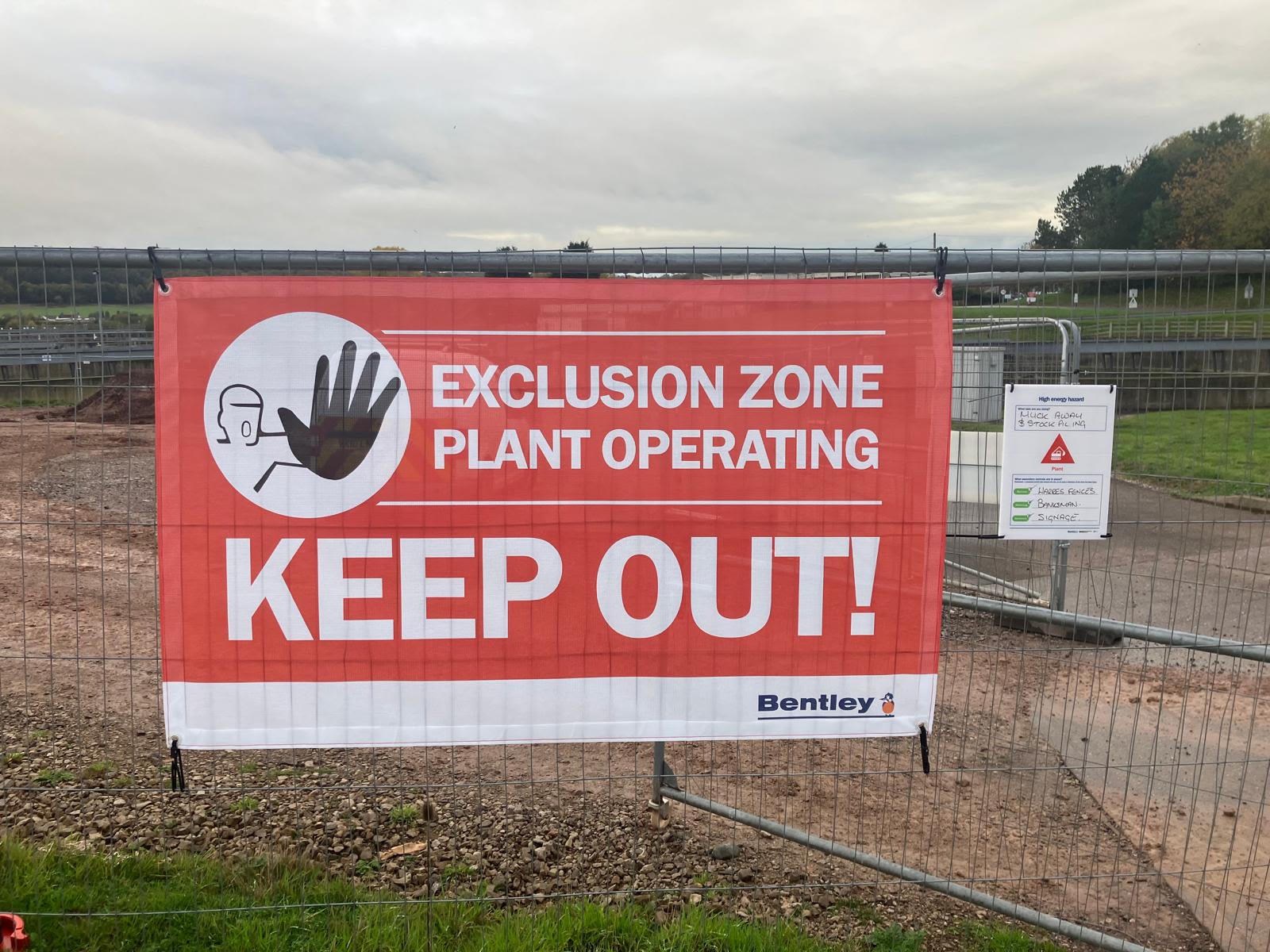
We implemented a new approach to injury prevention: the control of high energy hazards, the most significant risks we face on our sites. The high energy hazards in construction are gravity, plant, pressure, electrical and mechanical.
Our approach stems from research by the Edison Electric Institute, which uses high energy as a means for understanding the most serious hazards and places focus on one direct or a minimum of two secondary controls to eliminate risk. This is an alternative approach to the traditional accident triangle, which suggests that reducing low-level incidents prevents serious ones.



FUTURE FOCUS
In 2026, we will place greater emphasis on improving how we learn from incidents, including the exploration of visualisation and AI, with a focus on positive conversations relating to the control of high energy hazards. Footage from human detection systems will continue to inform discussions on safe behaviours and help reduce the risks associated with people plant interface.
We will introduce simplified operational health, safety and environmental standards to support compliance and strengthen the management of high energy hazards. Work will continue to develop video‑based mandatory toolbox talks, operational standards and incident learnings to create a more effective and consistent approach to communication.
We will also deepen engagement with our supply chain on high energy hazards, fostering collaboration to develop innovative and practical risk control solutions.
 Built with Shorthand